
Ovulating Doesn’t Mean You’re Fertile: What Else Has to Be Working

If you’re ovulating every month, it’s normal to assume that doing so means you’re fertile. You see the surge, confirm ovulation, time intercourse correctly — and still, pregnancy doesn’t happen.
This disconnect is one of the most frustrating experiences when you’re trying to conceive. You’re doing what your research has told you to do. You’re checking the right boxes. And yet, nothing changes.
Ovulation is necessary for pregnancy, but it’s not necessarily the same thing as having optimal fertility. Fertility depends on more than the presence of an egg every month — including the Critical 90 days leading up to ovulation and whether your body can support what happens afterward.
Ovulation Is an Event. Fertility Is a Process
Ovulation is a single event in the cycle. Fertility is a process that unfolds over weeks, and months, and requires multiple body systems working together harmoniously.
For pregnancy to occur, ovulation must be preceded and followed by:
90 days of good follicular recruitment and development before your current cycle
Clear hormonal signaling between your brain and ovaries leading up to ovulation
Proper development of the lead follicle to support a strong transformation into the corpus luteum following ovulation
Adequate progesterone production to support uterine lining stabilization, implantation, and early pregnancy
Strong blood flow to the uterus to supply nutrition and regulate inflammation and immune activity
A receptive uterine lining free of excess inflammation, inappropriate immune activity, and imbalances in your uterine microbiome
A nervous system that supports proper hormone signaling, timely ovulation, and implantation rather than an overactive stress response.

When any of these pieces are compromised, ovulation alone isn’t enough. The egg drops but the systems aren’t in place to support its development.
This is why so many women ovulate regularly and still struggle to get or stay pregnant.
Ovulation Quality Matters More Than Timing
The first step in every TTC experience is to start focusing on timing your trying to line up with ovulation as precisely as possible. Timing definitely matters, but it can’t overcome poor ovulation quality.
Ovulation quality reflects how well your follicle developed, how supported your egg was during the 90 days of maturation needed before ovulation, and how synchronously your hormonal cascade occurred. These factors are influenced by circulation, inflammation, stress physiology, and metabolic health.
When ovulation quality is inconsistent, fertilization becomes less likely even when timing is perfect.
This is also why cycle tracking can feel like it’s giving you information without answers. You can know when you ovulate without understanding how well your body is ovulating.

The Luteal Phase Reaps What Ovulation Sows
After ovulation, your body shifts into the luteal phase — marked by the transformation of your now vacant follicle into the progesterone producing corpus luteum. Following this transformation progesterone should rise, your uterine lining should stabilize, and implantation should become possible.
This phase is where many fertility challenges show themselves, but it’s generally not where root causes live.
A luteal phase that’s too short, progesterone or basal body temps that rise too slowly, spotting before your period, or increased PMS are all signs that ovulation didn’t happen as ideally as needed to produce a strong corpus luteum.
These patterns don’t always register as abnormal in lab work, but they directly affect implantation and early pregnancy stability.
If pregnancy isn’t happening despite consistent ovulation, the luteal phase deserves careful attention.

Blood Flow Determines the Uterine Environment
Ovulation and implantation depend on circulation.
Blood flow delivers oxygen, nutrients, and hormonal signals to your ovaries and uterus. When circulation is compromised, whether from chronic stress, inflammation, or nervous system dysregulation, your reproductive organs don’t receive what they need to function optimally.
Poor circulation can affect:
Follicle development and egg maturation leading to weak ovulation, poor egg quality, and/or poor corpus luteum formation
Endometrial thickness and receptivity by disrupting the formation of new blood vessels within the lining, impairing progesterone-driven stabilization of the lining, and altering expression of receptivity genes that allow an embryo to attach and burrow into your uterus to begin the process of placental development
This is one reason fertility acupuncture focuses so heavily on circulation rather than hormones alone.
The Nervous System Influences Implantation

Implantation requires more than ovulation and normal hormone levels. It depends on your body’s ability to coordinate blood flow, immune signaling, and uterine tissue response at exactly the right time. Your nervous system plays a quiet but powerful role in making that coordination possible.
When stress becomes chronic, your body prioritizes survival over reproduction. Stress hormones interfere with the communication between your brain and ovaries, weakening luteal phase support and reducing your uterus’s responsiveness during the implantation window. Ovulation may still occur, but the conditions needed to sustain early pregnancy become less reliable.
Chronic stress also affects the uterine environment itself. Blood flow to your uterus becomes less efficient, your uterine lining becomes less receptive, and the immune balance required for implantation is disrupted. At the same time, heightened nervous system activity can increase uterine contractility, making it harder for an embryo to attach and settle.
These changes rarely show up on standard fertility tests. Imaging can look normal, labs can fall within range, and cycles can appear regular, but implantation remains elusive. This is why fertility challenges are so often labeled unexplained.
Implantation doesn’t require perfection. It requires regulation. When your nervous system is supported, your body is better able to coordinate the conditions that allow pregnancy to take hold.
You can’t eliminate stress from your life, but you can help your body and mind shift out of chronic stress patterns and become more resilient to the effects of stres with the right tools and practices.
Why Fertile Earth Fertility Acupuncture Looks Beyond Ovulation
At Fertile Earth, fertility acupuncture isn’t used simply to “help you ovulate.” It’s used to support the entire reproductive process before and after ovulation.
Care focuses on:
Ovulation quality, not just occurrence
Luteal phase strength and progesterone signaling
Blood flow to the uterus and ovaries
Nervous system regulation
The foundational systems that support implantation, early pregnancy, and ongoing health for both you and your baby
This whole-body approach is especially important when cycles look regular but conception hasn’t happened.
Ovulation tells us something is working. Fertility asks whether everything else is working too.
When Ovulation Alone Isn’t the Missing Piece

If you’re ovulating regularly and:
Your luteal phase is less than 12 to 14 days long
PMS or spotting before your periods is a regular part of your cycle
Stress feels physically embedded, not just mental
You’ve been told to “just keep trying” because your labs are “normal”
Your body is likely asking for support beyond timing.
Fertility challenges don’t always show up as missed ovulation. More often, they show up in what happens afterward.
Supporting Fertility as a Whole Process
If you’re trying to conceive and feel stuck despite ovulating regularly, Fertile Earth fertility acupuncture offers structured, whole-body support rooted in Eastern Medicine and informed by modern fertility physiology.
To understand the broader foundations of natural fertility, you can also read:
Getting Pregnant Naturally: What Actually Matters for Conception
For women in North County San Diego, Fertile Earth provides in-person, comprehensive, compassionate, and supportive fertility acupuncture designed to optimize ovulation, implantation, and early pregnancy as an integrated process.
Not local to San Diego? Fertility Club brings this same clinical framework online. It’s a structured membership program built around the Four Stage approach to identifying and addressing what’s actually behind your fertility challenges — wherever you are. Learn more.
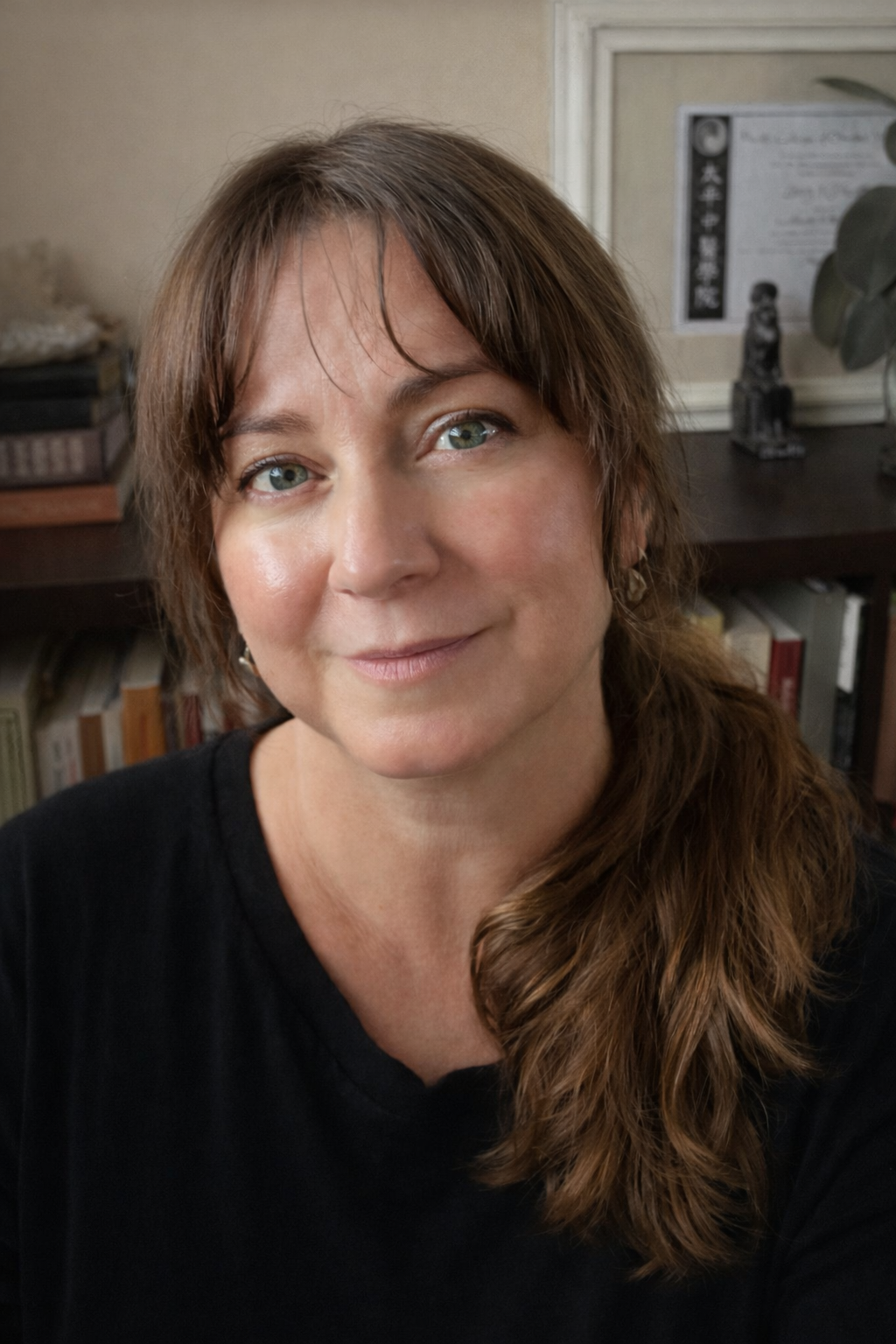
About the Author
Laura Schultz, L.Ac. is a licensed acupuncturist specializing in fertility, preconception care, and IVF support in North County San Diego. With over a decade of clinical experience in women's reproductive health, she helps women understand the patterns influencing their fertility and address them in a strategic, structured way.over a decade of clinical experience