
The 5 Fertility Types: Patterns, Symptoms, and Solutions
Fertility Acupuncture | Encinitas, North County San Diego

Understanding your Fertility Type can help you get pregnant faster than following generic fertility advice.
Two women can come into my office in Encinitas with the same diagnosis, similar lab results, and the same number of months of trying behind them, and still need very different care. One runs cold, tires easily, and has a short luteal phase. The other runs warm, sleeps poorly, and barely sees any cervical fluid around ovulation. In Western terms, they might both be told they have diminished ovarian reserve. In Eastern Medicine, they're expressing two different patterns, and the warming herbs and foods that would help the first woman could make the second one feel worse.
Figuring out which pattern you're expressing is called pattern differentiation, and it's the foundation of everything I do. To make it easier for you to see yourself in it, I group the patterns I see most often in fertility into five Fertility Types: Soggy, Stuck, Tired, Pale, and Dry. Once you know which ones fit you, it gets much easier to see which foods, herbs, habits, and treatments will help you most, and which ones may be quietly working against you.
Below, you'll find each Fertility Type, how it tends to show up in your body and your cycle, the Western diagnoses it's often connected to, and a few simple ways to start supporting it at home. If you'd like to find out your type as you read, you can take the Fertility Type quiz here.
How Eastern Medicine sorts your symptoms into a Fertility Type
Western medicine usually starts with a single measurement, like your AMH (anti-Müllerian hormone, an estimate of how many eggs you have left), your FSH (follicle-stimulating hormone, the brain's signal that tells your ovaries to grow follicles), or what shows up on an ultrasound, and asks whether it falls inside the normal range. Eastern Medicine starts with the whole picture of how your body is behaving and sorts it with a few basic questions. Do you tend to run hot or cold? Is something building up and getting in the way of normal function, which I call an Excess, or is your body running short on something it needs, which I call a Deficiency? Is the problem in how things move through your body, or in what your body has to work with in the first place?
When I put your answers to those questions together with what I learn from your cycle, your digestion, your sleep, your energy, and your history, a pattern starts to emerge. The traditional names for the five patterns I see most often in fertility are Phlegm and Damp, Qi and Blood stagnation, Qi and Yang deficiency, Blood deficiency, and Yin deficiency. Qi is the energy and function that drives every process in your body. Blood, which I capitalize when I mean it in the Eastern Medicine sense, is the nourishing substance that carries Qi, and it overlaps with blood in the Western sense while also including the nourishment and moisture it brings to your tissues. Yang is your warming, activating side, and Yin is your cooling, moistening, nourishing side. The Fertility Types are the plain-language names I use for these patterns.
I borrowed most of these names from Making Babies*, by Dr. Sami David and Jill Blakeway, a book whose approach has shaped my own and that's still an excellent read if you'd like to go deeper. They call the first type Waterlogged, and I've renamed it Soggy.
I've listed the types in the order I usually address them in treatment. Soggy and Stuck are Excess patterns, where something is building up or getting stuck, and Tired, Pale, and Dry are Deficiency patterns, where your body is running low on what it needs. Clearing what's in the way usually comes first, because your body has a hard time making use of nourishment while it's congested, and I'll come back to why that order matters further down.
How to use the acupressure points in this article
For each Fertility Type, I've included three acupressure points you can use at home. Each point has a short code that names the channel it sits on (ST for Stomach, SP for Spleen, CV for Conception Vessel, and so on), along with its traditional name. Press each point firmly enough that you can feel it, using small circles, for a minute or two on each side of your body, once or twice a day.
Think of these points as a way to support the work your body is already doing between appointments. Several of them, SP6 in particular, are traditionally avoided during pregnancy, so if you get a positive test or you're in an IVF or IUI cycle, check with me before you keep using them.
The Soggy Fertility Type (Phlegm and Damp)

If you're a Soggy Type, your body has trouble fully processing fluids and food, so moisture and heaviness build up where they don't belong. You might feel like you're moving through the day in a fog, heavy and slow to get going, especially after you eat.
Common signs of the Soggy Type
Feeling heavy, sluggish, or foggy-headed, especially after meals
Water retention, puffiness, or gaining weight easily
Bloating, loose stools, or the sense that food sits in your stomach
Cravings for sweets, bread, or greasy food
Thick vaginal discharge or recurrent yeast infections
Long or irregular cycles, or cycles where ovulation is hard to pinpoint
Western diagnoses often connected to the Soggy Type
PCOS (polycystic ovary syndrome), which is increasingly being called PMOS (polyendocrine metabolic ovarian syndrome), especially when insulin resistance or weight gain is part of your picture. You can read more on my PCOS/PMOS fertility acupuncture page.
Insulin resistance
Uterine fibroids, which often carry a Stuck component as well
Blocked fallopian tubes, which Eastern Medicine has long associated with Phlegm and Damp
Where to start with the Soggy Type
Build your meals around protein and slow-digesting carbohydrates, and keep sugar, refined flour, and greasy food to a minimum, since those are the foods that add to the heaviness.
Lean on lighter grains and vegetables like millet, barley, asparagus, and leafy greens, along with beans and lentils. Adzuki beans are a traditional favorite for clearing Damp.
Keep raw food and iced drinks to a minimum, and cook with warming spices like ginger and cardamom to help your digestion do its job.
Move your body every day, and break up long stretches of sitting.
Practice slow, deep belly breathing, which supports your digestion and metabolism.
Acupressure points for the Soggy Type
ST40 (Stomach 40), Abundant Bulge
Location: on the outside of your lower leg, halfway between your knee and your outer ankle bone, about two finger-widths out from the edge of your shinbone
Traditionally used to resolve Phlegm and Damp
SP9 (Spleen 9), Yin Mound Spring
Location: on the inside of your lower leg, in the hollow just below where the bone curves under your knee
Regulates fluid metabolism and supports digestion
CV12 (Conception Vessel 12), Middle Cavity
Location: on the midline of your belly, halfway between your belly button and the bottom of your breastbone
Strengthens digestion and helps regulate fluid metabolism
The Stuck Fertility Type (Qi and Blood Stagnation)

If you're a Stuck Type, things in your body don't move as smoothly as they should. Circulation, muscle tension, hormones, and emotions all tend to build up until they release all at once. The relationship runs both ways, because stress and strong emotions can tighten things up physically, and physical tension can leave you feeling more irritable and on edge. Stuck patterns are especially common if you've lived with a lot of pressure for a long time, whether it comes from your work, your relationships, or months of trying to conceive.
Common signs of the Stuck Type
Tension headaches, jaw clenching, or a tight neck and shoulders
Painful periods, especially with dark blood and clots
Breast tenderness, bloating, irritability, or mood swings in the days before your period
A feeling of tightness in your chest or along the sides of your ribs, or frequent sighing
Digestion that gets worse when you're stressed
Cycles that change length depending on how stressful the month has been
Western diagnoses often connected to the Stuck Type
Endometriosis and adenomyosis, where tissue similar to the uterine lining grows outside the uterus or into the muscle of the uterine wall. You can read more on my endometriosis fertility acupuncture page.
Uterine fibroids and ovarian cysts
Pelvic adhesions, including scarring left behind after pelvic inflammatory disease (PID), an infection of the reproductive organs
Unexplained infertility
Painful periods (dysmenorrhea)
Where to start with the Stuck Type
Move your body regularly at a moderate pace with brisk walking, dancing, or hiking, anything that gets your circulation going without wiping you out.
Include foods that support circulation, like turmeric, garlic, onions, radishes, and leafy greens, and go easy on greasy, heavy, or highly processed foods that slow everything down.
Keep chamomile or mint tea on hand for the moments you feel tension building.
Give your stress somewhere to go every day, whether that's journaling, a walk after dinner, or a few minutes with the acupressure points below.
Gentle abdominal massage in the first half of your cycle can help release tension in your lower belly.
Acupressure points for the Stuck Type
LV3 (Liver 3), Great Rushing
Location: on the top of your foot, in the hollow between the bones of your big toe and second toe, about one and a half to two inches up from the web between them. It's usually tender, especially if you're a Stuck Type.
Promotes the smooth flow of Qi and Blood
Eases premenstrual breast tenderness, headaches, irritability, and mood swings
Helps regulate your period
SP8 (Spleen 8), Earth Pivot
Location: on the inside of your lower leg, just behind the edge of your shinbone, about one hand's width below SP9 (described under the Soggy Type above)
Improves circulation to your uterus and lower belly
Regulates your period and eases cramps
GB34 (Gallbladder 34), Yang Mound Spring
Location: on the outside of your lower leg, in the hollow just in front of and below the bony knob at the top of your outer leg bone (the fibula)
Relaxes muscle and tendon tension
Eases pain, stiffness, and cramping throughout your body
The Tired Fertility Type (Qi and Yang Deficiency)

If you're a Tired Type, it's as if the heat and the volume in your body have both been turned down. Your metabolism, your body temperature, your digestion, and your motivation all tend to run low, and you may notice that you never quite warm up, especially in your lower back and belly.
Common signs of the Tired Type
Fatigue and low energy, especially by mid-afternoon
Cold hands and feet, and a cold lower back or belly
Low sex drive
Weak digestion, loose stools, or early-morning bowel movements
Frequent urination, especially at night
Low basal body temperatures, or a slow, sluggish rise after ovulation when you read your cycle
A short luteal phase, meaning less than 12 days between ovulation and your next period
Western diagnoses often connected to the Tired Type
Luteal phase defect, meaning low progesterone in the second half of your cycle
Hypothyroidism, an underactive thyroid
Diminished ovarian reserve, a lower-than-expected number of eggs remaining in your ovaries. You can read more on my egg quality and diminished ovarian reserve page.
Recurrent miscarriage. You can read more on my recurrent pregnancy loss page.
Where to start with the Tired Type
Make warm, cooked meals the center of your diet, like soups, stews, and congee (a slow-cooked rice porridge), and keep raw salads, smoothies, and iced drinks to a minimum.
Cook with warming spices like ginger, cinnamon, nutmeg, and black pepper.
Include protein at every meal, from eggs, chicken, lamb, well-cooked beans and lentils, nuts, and seeds.
Keep your lower back and belly warm with layers and socks, and use a hot water bottle on your belly in the first half of your cycle.
Protect your rest, and start saying no to commitments that drain you more than they give back.
Choose gentle, strength-building movement like yoga, tai chi, or walking, and save the workouts that leave you exhausted for later.

Acupressure points for the Tired Type
CV4 (Conception Vessel 4), Origin Pass
Location: on the midline of your lower belly, about four finger-widths below your belly button
Traditionally considered a source of vitality, with a direct connection to the uterus
Strengthens reproductive function
ST36 (Stomach 36), Leg Three Miles
Location: about four finger-widths below the bottom of your kneecap, and one finger-width out from the edge of your shinbone. It's often tender when you press it.
One of the strongest points for improving energy
Supports digestion and the absorption of nutrients
Supports immune function
GV4 (Governing Vessel 4), Life Gate
Location: on the midline of your lower back, roughly level with your belly button
Warms and strengthens reproductive function
Improves energy and vitality
Eases lower back and knee pain
The Pale Fertility Type (Blood Deficiency)

Paleness comes from the lack of blood flow or poor blood quality.
If you're a Pale Type, your body is running short on Blood, the nourishing substance that carries warmth, moisture, and energy to all of your tissues, including your uterus and ovaries. When there isn't enough to go around, your body supplies the organs you need to survive first, and reproduction is one of the functions it's most willing to put on hold.
Common signs of the Pale Type
Light, short, or skipped periods, often with pale or pinkish flow
A pale complexion, lips, nail beds, or tongue
Dizziness when you stand up, blurry vision, or poor memory
Fatigue that's worse after exertion or after your period
Dry skin and hair, or brittle nails
Trouble falling asleep, or feeling anxious without a clear reason
Western diagnoses often connected to the Pale Type
Iron-deficiency anemia, or low ferritin (your body's iron stores)
Thin uterine lining
Hypomenorrhea, the medical term for unusually light periods
Low estrogen
Hypothalamic amenorrhea, where your periods stop because your brain has turned down the hormone signals it sends to your ovaries (including FSH), often after under-eating, over-exercising, or prolonged stress
Where to start with the Pale Type
Eat Blood-building foods regularly, like beets, cooked dark leafy greens, red meat, black beans, lentils, and eggs.
Add iron-rich foods like oysters and red meat, and pair plant sources of iron with vitamin C (citrus, bell peppers, berries) to help you absorb it.
Liver is one of the most nourishing foods for the Pale Type, and it's also extremely high in vitamin A. A single 3-ounce serving of beef liver contains more than twice the daily upper limit, so I usually recommend desiccated liver capsules at a conservative dose over eating large amounts of fresh liver.
Nettle and red raspberry leaf infusions are traditional, gently nourishing teas.
Avoid overexertion, prioritize slow and mindful movement, and take regular breaks to rest both your body and your mind.
Acupressure points for the Pale Type
SP6 (Spleen 6), Three Yin Intersection
Location: about four finger-widths above your inner ankle bone, just behind the edge of your shinbone
Meeting point of three Yin channels, including the Spleen channel that builds Blood
Regulates your menstrual cycle and supports healthy ovulation
Eases period cramps
Traditionally avoided during pregnancy
ST36 (Stomach 36), Leg Three Miles
Location and benefits: see the Tired Type above. For the Pale Type, ST36 helps your digestion build Blood from the food you eat.
LV8 (Liver 8), Spring at the Bend
Location: on the inside of your knee, at the inner end of the crease that forms when you bend it, in the hollow just in front of the tendons
Nourishes Blood
Regulates your period
The Dry Fertility Type (Yin Deficiency)
If you're a Dry Type, your cooling, moistening reserves have been running low, so your body tends to run warm and dry, like ground that hasn't had enough rain. Dry patterns often develop after years of pushing hard, running on too little sleep, or living with ongoing stress, and they tend to deepen with age.
Common signs of the Dry Type
Feeling warm, especially in the afternoon or at night, with hot flashes or night sweats
Dry skin, hair, eyes, or mouth, and frequent thirst
Little or no stretchy, egg-white cervical fluid around ovulation, or vaginal dryness
Trouble sleeping, or waking up hot and restless
A shorter cycle than you used to have, or a lighter period
Feeling wired and tired at the same time
Western diagnoses often connected to the Dry Type
Elevated FSH, a sign that your brain is having to push harder to get your ovaries to respond
Diminished ovarian reserve and concerns about egg quality
Premature ovarian insufficiency (POI), when your ovaries stop working normally before age 40
Thin uterine lining
Low cervical fluid
Where to start with the Dry Type
Eat moistening foods like bone broth, soups, eggs, fish, sesame seeds, almonds, spinach, and pears and other juicy fruits.
Stay well hydrated, and add electrolytes when you sweat.
Cut back on anything that overheats you or dries you out, like hot yoga, saunas, long intense workouts, spicy food, alcohol, and excess caffeine.
Very cold foods like ice cream can feel good when you're running warm, but they weaken the digestion you need for rebuilding, so keep them occasional.
Choose restorative movement like Yin or restorative yoga, walking, and stretching (and definitely NOT hot yoga).
Protect your sleep with seven to eight hours a night, and limit screens in the evening.

Gentle yoga increases ciculation and helps move excess fluids and phlegm out of the body.
Acupressure points for the Dry Type
KD3 (Kidney 3), Supreme Stream
Location: in the hollow between your inner ankle bone and your Achilles tendon
Nourishes Yin and strengthens reproductive function
Cools sensations of heat
SP6 (Spleen 6), Three Yin Intersection
Location and benefits: see the Pale Type above. For the Dry Type, SP6 helps nourish Yin.
LU7 (Lung 7), Broken Sequence
Location: on the thumb side of your forearm, about two finger-widths above your wrist crease, just above the bony bump on the thumb side of your wrist
Opens the Conception Vessel, the channel that runs along the front midline of your body and connects to the uterus
Helps regulate fluid balance
Calms your mood and emotions
Can you be more than one Fertility Type?
Yes, and most of the women I work with are. Patterns that last a long time tend to create new ones, so years of stress can leave you Stuck and then wear down your digestion until you're Soggy too, and a Tired Type who keeps pushing through can drift toward Dry. Your inherited Constitution, which is the baseline you were born with, and the environments that have shaped you also influence which patterns show up and how strongly. That's why the quiz scores you across all five Fertility Types, and why your results usually show a main type with one or two others mixed in.
When more than one type is in the picture, the order you address them in makes a real difference. If you start with deeply nourishing foods and herbs while your body is still congested (Soggy) or tense and blocked (Stuck), they can add to the heaviness or simply have nowhere to go. Clearing the Excess first gives your body room to use the nourishment you give it.
How your Fertility Type connects to the Four Stage Framework
Your Fertility Type shows me where your biggest roadblock is right now, and my Four Stage Framework is how I trace the circumstances that led you there. The Stages are the order I use to work through everything that's influencing your fertility, so that nothing important gets overlooked:
Stage One, Resolve the Exterior: inflammation and immune function
Stage Two, Fortify the Center: digestion, blood sugar, and the role your gut plays in hormone health
Stage Three, Harmonize the Pivot: your nervous system and stress response, and how they affect ovulation through the HPO axis (the hypothalamic-pituitary-ovarian axis, the chain of hormone signals between your brain and your ovaries)
Stage Four, Free the Flow: circulation to your uterus and ovaries
Soggy patterns usually get the most attention in Stage Two, and Stuck patterns in Stages Three and Four. Tired and Pale depend on strong digestion to rebuild, so they draw on Stage Two as well, and Dry is rebuilt gradually once the earlier layers have been cleared. Everyone gets screened for Stage One, because inflammation and immune issues can sit underneath any Fertility Type.
Any Stage can be revisited whenever your body shows signs that it needs attention again. A stressful few months might bring your Stuck pattern back, for example, and I'd shift your care back to Stage Three for a while. Working through the Stages this way addresses the circumstances that created your Fertility Type in the first place, which helps keep its patterns from returning or getting worse once you start feeling better.
Working with your Fertility Type in Encinitas or online
There are two ways to work with me on this.
In person in Encinitas. At my fertility acupuncture practice in Encinitas, I confirm your Fertility Type through a full intake that looks at your cycle, your labs, your history, and your tongue and pulse. From there, I use acupuncture and custom herbal formulas matched to the patterns you're expressing, and I take you through the Stages in the order your body needs. If you're doing IVF, your clinic will likely ask you to pause herbal formulas, and I'll switch you to gentle food-based support for that stretch.
Online through Fertility Club. If you're not local, or you'd like to do more of the work at home between appointments, Fertility Club takes you through the same Four Stage Framework, with guidance on food, movement, and daily practices organized around your Fertility Type.
Either way, there's no guarantee of a pregnancy or a timeline, and I'll always be upfront with you about that. My job is to help you understand what your body is expressing and to support it in the order it's most likely to respond to.
Ready to Find Out Your Fertility Type?
The Fertility Type quiz scores you across all five types, so you'll see your main type along with any others in the mix. You can use your results as a starting point at home, bring them to your first appointment, or take them with you into Fertility Club.
Take the Fertility Type quiz →
If you're local and you'd like help sorting out a combination of types, you can schedule your first appointment at CAP Wellness Center, 535 Encinitas Blvd., Encinitas.
Fertile Earth serves women in Encinitas, Carlsbad, Solana Beach, Del Mar, San Marcos, Oceanside, Vista, and throughout North County San Diego.
About the Author
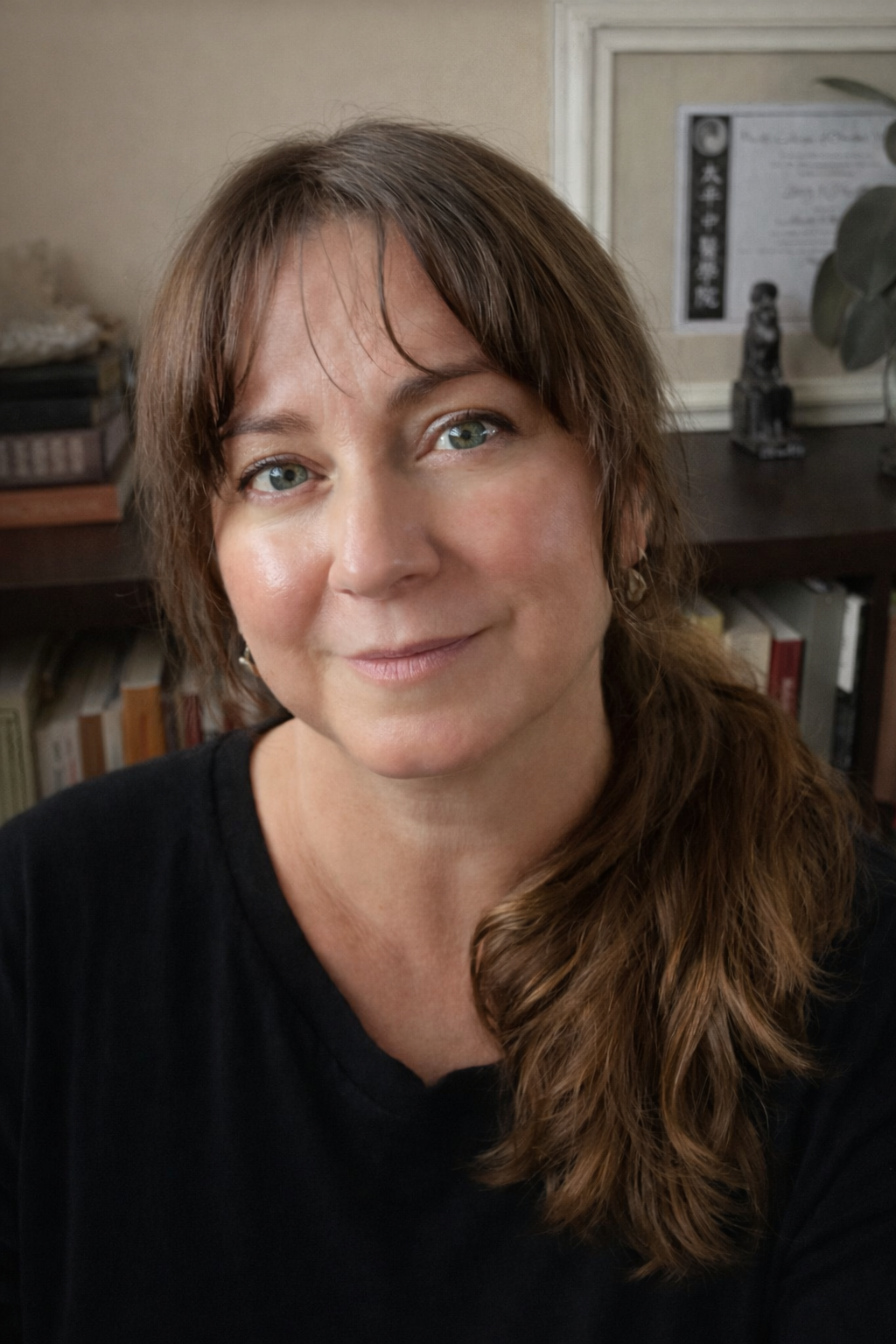
Laura Schultz, L.Ac. is a licensed acupuncturist specializing in fertility, preconception care, and IVF support in North County San Diego. With over 13 years of clinical experience in women's reproductive health, she helps women understand the patterns influencing their fertility and address them in a strategic, structured way.
*Affiliate Link. I may earn a small commission on any items purchased through an affiliate link. I recommend only products that I feel confident will add value to your experience.