

FERTILE EARTH ACUPUNCTURE & HERBAL MEDICINE · ENCINITAS, CA
IVF Support Acupuncture in Encinitas & North County San Diego
IVF asks a lot.
Acupuncture helps your body meet the demand.
Going through IVF means navigating a demanding sequence of medications, monitoring appointments, and decisions — all while managing the emotional weight of wanting this to work. The protocol is precise. The expectations are high. And the margin for error feels impossibly small.
Acupuncture doesn't replace your medical protocol. It supports your body through it — improving how you respond to medications, reducing side effects, and creating the physiological conditions that give your protocol its best chance.
At Fertile Earth, IVF support is structured, cycle-specific, and coordinated with your RE's timeline. Nothing random. Nothing generic.
Before your cycle: Priming and preparation
The work that matters most in IVF happens before the stim medications start. Egg quality reflects the environment your follicles developed in over the previous 60–90 days. Uterine lining quality is shaped by circulation, inflammation levels, and hormonal balance in the weeks before transfer.
During the priming phase and in the cycle leading up to your retrieval, acupuncture focuses on:
Improving ovarian blood flow — so follicles are better nourished and more responsive to stimulation medications
Reducing systemic inflammation — which directly affects follicle quality and endometrial receptivity
Regulating the nervous system — because a chronically activated stress response suppresses the same pituitary signals that IVF medications are trying to amplify
Supporting the HPO axis — the communication pathway between your brain, pituitary gland, ovaries, and uterus that governs everything your medications are working with
If you're using priming medications like estradiol, testosterone gel, or HGH for egg quality, acupuncture in this window supports your body's ability to respond.
During stimulation
Once stim medications begin, the goal shifts to supporting follicular development and managing the physical demands of the protocol. Treatments during this phase are timed to your monitoring appointments and focused on:
Supporting even, healthy follicular growth
Improving medication uptake through better pelvic circulation
Managing side effects: bloating, mood shifts, fatigue, and injection site discomfort
Reducing the risk of an exaggerated response
Frequency during stim is typically one to two sessions per week, adjusted based on how your follicles are responding.
The intermission — between retrieval and transfer
This is one of the most underused windows in IVF support, and one of the most valuable.
Whether you're doing a fresh transfer or waiting for PGT results before a frozen embryo transfer, the intermission is when acupuncture focuses on:
Recalibrating the HPO axis after the intensity of stimulation
Supporting endometrial development — thickness, quality, and receptivity
Maintaining the hormonal environment that transfer medications are building on
If you're using Depot Lupron or Orlissa for pre-transfer suppression (common with endometriosis or adenomyosis), this is also when acupuncture can meaningfully reduce the menopausal side effects those medications cause — hot flashes, mood swings, fatigue, joint aches.
Moxibustion over the lower abdomen is often incorporated during the lining growth phase, both in clinic and as a home protocol, to support endometrial circulation.
Around trigger and retrieval
Acupuncture the day of or the day after your trigger shot supports the final maturation phase. After retrieval, a session two to three days post-procedure helps reduce inflammation and supports your body's recovery — which matters especially if you're doing a fresh transfer or moving into an FET cycle.
Note: acupuncture is not performed on retrieval day itself.
Transfer and the two-week wait
Acupuncture before and after embryo transfer is the most well-studied application in IVF support. The research consistently shows benefit for implantation — and the physiological mechanism makes sense: acupuncture reduces uterine contractility, improves blood flow to the endometrium, and modulates the immune environment to support rather than disrupt implantation.
At Fertile Earth, transfer-day acupuncture is performed on-site — before transfer to prepare the uterine environment, and immediately after to support it.
During the two-week wait, weekly sessions continue to support progesterone production, nervous system regulation, and the immune balance that early implantation requires.
Ready to build a schedule around your IVF timeline?

What acupuncture changes — physiologically
If you want to understand the mechanism, here's the short version:
Your IVF protocol works through the HPO axis — the communication pathway between your hypothalamus, pituitary gland, ovaries, and uterus. Medications target specific points in this pathway to amplify follicular development, time ovulation, and prepare the uterine lining.
Acupuncture works on the same axis — naturally, and in the same direction. It supports the hypothalamus's ability to send clear, regulated hormonal signals. It reduces the inflammatory environment that interferes with how the ovaries respond to FSH and LH. It improves the circulation that carries those signals to the follicles and uterus.
The result: your body works with the protocol instead of against it.
Collaborative care — working with your RE
Acupuncture at Fertile Earth is designed to complement your medical care, not complicate it.
That means treatment is timed to your RE's protocol, not around it. If your retrieval shifts or your transfer is rescheduled, treatment adjusts. If your RE recommends a suppression protocol before your FET, acupuncture during that window is tailored to support what the medications are trying to do.
When it’s clinically relevant, a written treatment summary can be provided to share with your RE directly. Many reproductive endocrinologists in the North County San Diego area are familiar with — and supportive of — acupuncture as an adjunct to IVF. You don't need to choose between them.
This support is a good fit when:
You're preparing for a first IVF cycle and want to go in as prepared as possible
You've had a previous cycle that didn't result in pregnancy and want to address what might have been a factor
You're between cycles and want to use the time to improve your next outcome
You're doing a frozen embryo transfer and want to maximize endometrial receptivity
You're using a suppression protocol (Depot Lupron, Orlissa) and want help managing the side effects
You're in the two-week wait and need both physiological support and somewhere to put the anxiety
What if the cycle doesn’t work?
A failed cycle is one of the hardest things to sit with — especially when you’ve done everything right. It’s also information.
Whether it was a poor retrieval, a failed transfer, or a chemical pregnancy, understanding the pattern behind it helps determine where to focus in preparation for the next cycle. The intermission between cycles — however long that is — is some of the most valuable time in IVF support. It’s when we can assess what the cycle revealed, adjust the treatment approach, and build the conditions for a different outcome next time.
What happens after a positive test?
A positive pregnancy test after IVF is cause for relief — and for continued support. The first trimester is when the embryo is most vulnerable, and the hormonal and immunological environment matters enormously in those early weeks.
Acupuncture through early pregnancy supports progesterone production, nervous system regulation, and the immune balance that early placentation depends on. It also helps with the nausea, fatigue, and anxiety that are common in the first trimester — particularly after the emotional intensity of an IVF cycle.
Care continues through the end of the first trimester, then transitions to prenatal support through delivery and beyond.
Frequently Asked Questions
-
Ideally, three months before your retrieval — which aligns with the 90-day window of follicle development. Starting earlier gives us the most time to improve the environment your eggs are developing in and to address any underlying patterns affecting your response. That said, starting at any point in the process is still meaningful. Even beginning in the stim phase or before a frozen embryo transfer is better than not starting at all.
-
Treatment is timed to your cycle and your RE's schedule — not the other way around. You share your protocol with me at your first appointment, and we build an acupuncture schedule that runs parallel to it. If timelines shift (as they often do in IVF), treatment adjusts accordingly. There's no conflict with standard IVF medications.
-
Yes — and this is often where the conversation gets most useful. A failed cycle tells us something. Whether it was a poor retrieval, a failed implantation, or a chemical pregnancy, understanding the pattern behind it helps determine where to focus treatment in preparation for the next cycle. The intermission between cycles is some of the most valuable time we have together.
-
Yes. Transfer-day acupuncture is performed on-site — before transfer to prepare the uterine environment, and again immediately after. You'd coordinate the timing with your clinic and let me know your transfer appointment as soon as it's scheduled.
-
The support looks slightly different but is equally important. During a FET cycle, the focus is on endometrial development and receptivity — building and maintaining the lining quality that gives the embryo its best chance. Moxibustion, herbal support, and acupuncture timed to your lining growth phase are all part of that picture.
-
Yes — and the mechanism goes deeper than relaxation.
Acupuncture directly modulates the HPA axis, which governs the stress response. A regulated nervous system means lower cortisol, better sleep, and a more stable emotional baseline — all of which affect hormone signaling and the physiological environment for implantation. The emotional and physical benefits aren't separate here.
Your first appointment is where we go through your protocol, your history, and your goals — and build a treatment schedule that fits your timeline from here.
Schedule Your First Appointment
You'll be taken to our secure scheduling system to choose your appointment time.
Not local to Encinitas or North County San Diego? Fertility Club is Laura's online fertility support program — the same framework, available wherever you are.
Ready to build a support plan around your IVF cycle?
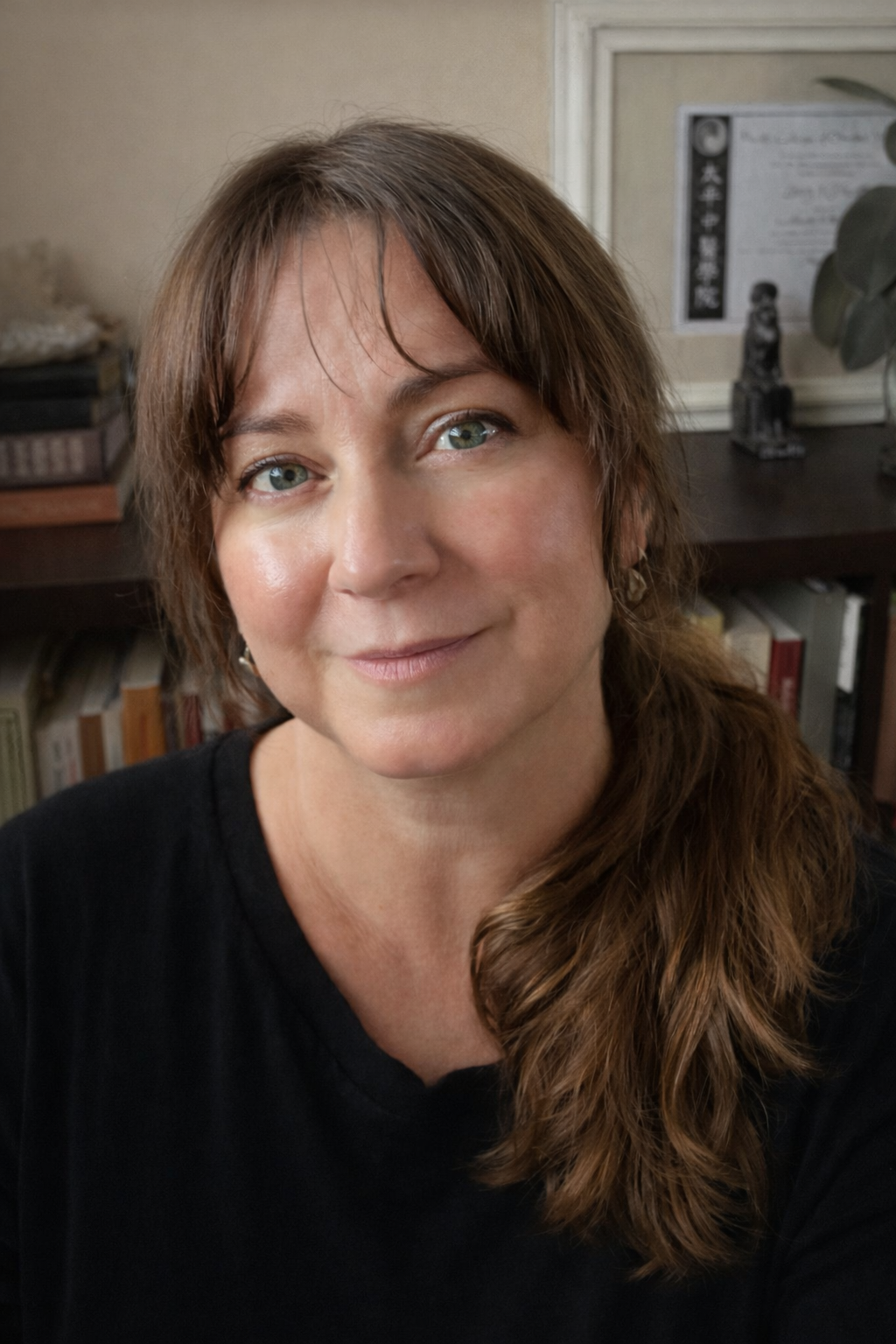
Laura Schultz, L.Ac. is a licensed acupuncturist with over 13 years of experience specializing in fertility, preconception care, and IVF support in North County San Diego. She holds a Master of Science in Traditional Oriental Medicine, is fluent in both Eastern Medicine and Western IVF protocols, and works collaboratively with reproductive endocrinologists throughout the region.