
Same Diagnosis, Different Causes: Why Your Fertility Protocol Might Not Be Working
Fertility Acupuncture | Encinitas, North County San Diego

Two women can share the same diagnosis and need completely different approaches. Understanding why is the first step toward care that actually works.
If you've spent any time in fertility communities online, you've probably seen something that doesn't quite add up: two women with the same diagnosis, following the same protocol, ending up with completely different results, one of them responding beautifully while the other watches almost nothing change. Maybe you've been the second woman yourself, doing everything a friend or a forum swore by and quietly wondering why the approach that transformed her cycle did so little for yours.
There's a real reason that happens, and it starts long before the protocol does, in how that protocol was chosen in the first place. What you're seeing is what happens when a treatment gets built around a diagnostic label rather than around the specific person who's been handed it.
The Limits of Treating a Diagnosis
A diagnosis can tell you what's happening in your body, but it can't tell you why it's happening for you in particular, which combination of factors is driving it in you, or what order of support will finally shift it. That gap between your label and your actual cause is where a great deal of otherwise reasonable treatment quietly goes wrong.
Irregular cycles are a good example, because they're one of the most common fertility concerns and one of the most misunderstood, since the very same presentation can come from completely different places in different bodies. For one woman, irregular cycles are driven mainly by chronic stress and an overactivated nervous system disrupting the HPO axis, the hormonal communication loop that runs between the brain and the ovaries. For another, the driver is digestive insufficiency that changes how she metabolizes and clears her hormones. For a third, it's systemic inflammation interfering with the signaling that triggers ovulation, and for a fourth it's poor circulation to the reproductive organs, while for a fifth it's an immune dysregulation pattern that quietly creates a hostile environment for consistent ovulation.
That's five women with a single shared symptom and five completely different causative patterns underneath it. A protocol designed around the first woman's pattern won't do much for the other four, and in some cases it can actively work against them, because the very thing that helps one cause can aggravate another.
Why This Matters More Than Most People Realize
When a treatment doesn't work for you, the natural assumption is that you need more of it, or something stronger, or that your body simply isn't responding the way it should. There's a better question to ask. What you really want to know is whether that treatment was ever matched to what your body needed in the first place, because an intervention aimed at the wrong cause can be carried out perfectly and still take you nowhere.
Western medicine is excellent at identifying and treating specific, definable conditions, and pointing to its limits here takes nothing away from that. What I'm describing is something that shows up at the edges of what any single system of medicine was built to handle. When your labs come back normal, your diagnosis stays vague, or your body won't respond to the standard protocols, you've usually wandered into territory that calls for a different kind of assessment altogether.
Eastern medicine excels in exactly that territory, and it earns its place there by asking a different question than the Western workup does. Where the Western workup asks what is happening in your body, the Eastern assessment asks why it's happening, and more precisely which combination of underlying patterns is creating the particular conditions you've been living with.
What a Pattern Assessment Looks At
A pattern is a structured framework, built from centuries of clinical observation and refined into a system that reads your body as one integrated whole, where each part is understood in relation to the others. When we sit down together to assess yours, a few things carry most of the weight.
The first is the quality and character of your cycle across every phase, which goes well beyond whether it simply arrives on time. I want to know what your flow looks like, how long your luteal phase runs, whether you spot in the days before your period, and what your cervical fluid is telling us about the way your hormones progress from one phase to the next.
The second is how your body handles energy, digestion, sleep, and stress, because how you sleep, digest, and recover from stress are functional signals that feed directly into your reproductive health. The way your body manages those everyday processes tells us a great deal about the conditions underneath your fertility.
The third is where tension, discomfort, or irregularity shows up in your body, which I read as a map of the circulation, inflammation, and nervous-system regulation that may be shaping your reproductive environment. None of these signals mean much in isolation. Read together, they start to describe you.
Put together, those signals form a picture that's specific to you: to your cycle, your body, your history, and the whole of what you bring into the room. That individual picture is what tells us which approach will finally work for you.

The strategy that’s right for you depends on what you need the most
The Problem With Generic Fertility Protocols
The fertility supplement industry runs on the idea that certain nutrients support fertility in general, and there's some truth in that. The trouble is that supporting fertility in general is a very different task from addressing whatever is specifically holding yours back, and it's that second, specific job that decides whether you feel any change at all.
A protocol that works beautifully for a woman whose main pattern involves poor circulation and cold can do very little for a woman whose main pattern involves heat, inflammation, and immune dysregulation. The same herb that moves and warms one body can overstimulate another that's already running hot, and the same calming intervention that settles one nervous system can leave a different one under-supported. The intervention didn't change; the body receiving it did.
This is why "what should I be taking?" is such a hard question to answer well until someone understands your pattern first. There's no universal answer for you. The right choice depends on your body, on where you are in your cycle, and on which stage of treatment you're in.
What This Means for Your Fertility Care
If you've already tried protocols that didn't work, or you're worn down by conflicting advice about what to do next, the piece that's usually missing is a clear read on your pattern and a treatment plan that addresses it in the right order. More often than not, that clarity moves you further than another supplement or a stronger version of what already failed.
That's the work I do at Fertile Earth. Before I recommend anything, I spend real time understanding the full picture of what's influencing your cycle, taking in what your labs show alongside everything your body is expressing as a whole. From there, treatment follows a structured sequence that addresses the most foundational layers first, so that we're steadily building the conditions your body needs for healthy ovulation, clear hormone signaling, and implantation.
It takes time and it asks for consistency, and it works precisely because the whole plan is built around you and the pattern you have, instead of a generic version of your diagnosis.
Ready to Understand Your Pattern?
If you're tired of protocols that don't account for who you actually are, your initial appointment at Fertile Earth is where that changes.
Schedule your first appointment at CAP Wellness Center in Encinitas, and we'll spend your first visit building a clear picture of your pattern and what it means for your path forward.
Fertile Earth serves women in Encinitas, Carlsbad, Solana Beach, Del Mar, San Marcos, Oceanside, Vista, and throughout North County San Diego.
Not local to San Diego? Fertility Club brings this same clinical framework online. It’s a structured membership program built around the Four Stage approach to identifying and addressing what’s actually behind your fertility challenges — wherever you are. Learn more.
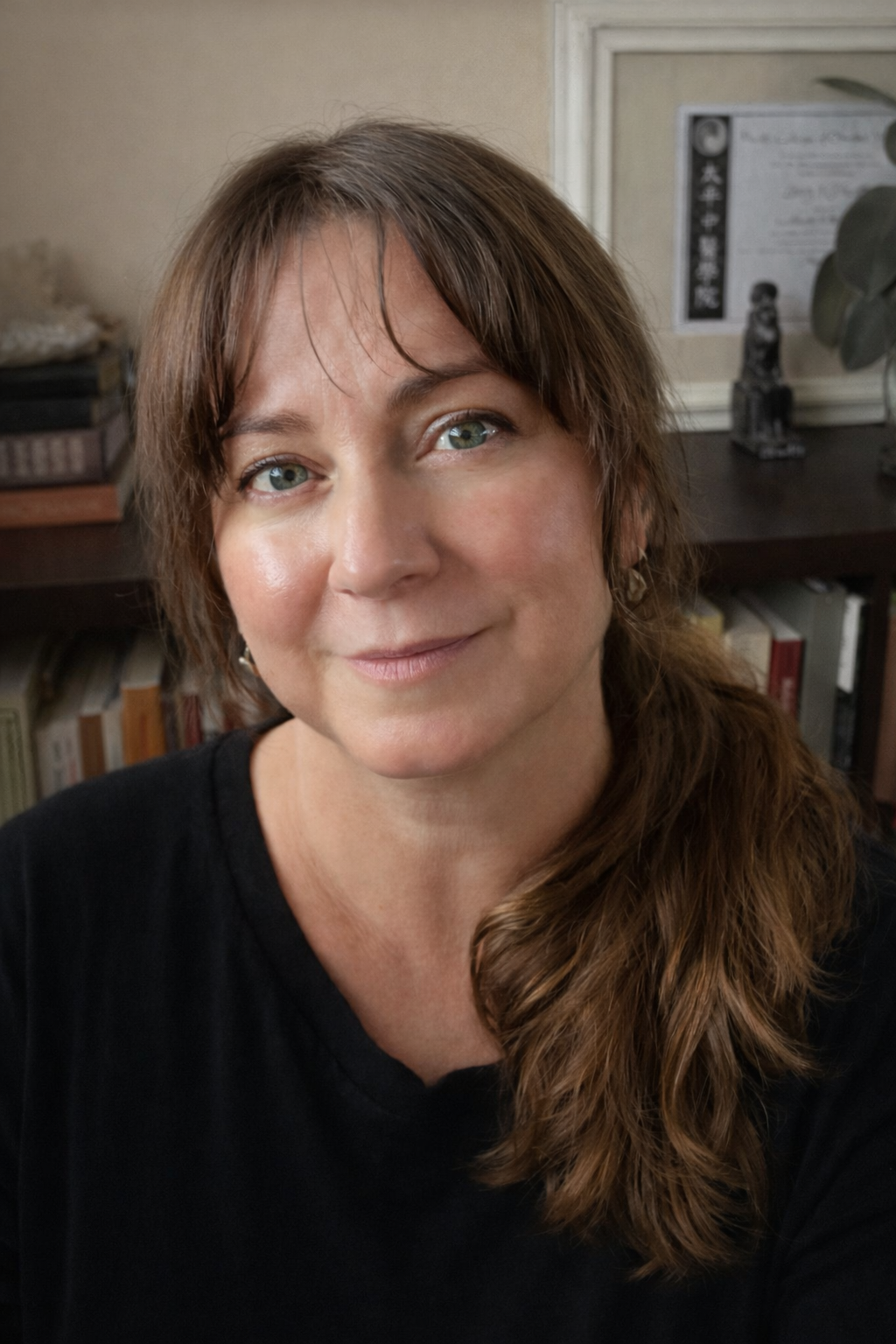
About the Author
Laura Schultz, L.Ac. is a licensed acupuncturist specializing in fertility, preconception care, and IVF support in North County San Diego. With over a decade of clinical experience in women's reproductive health, she helps women understand the patterns influencing their fertility and address them in a strategic, structured way.